The most consular Consul of Consulistan

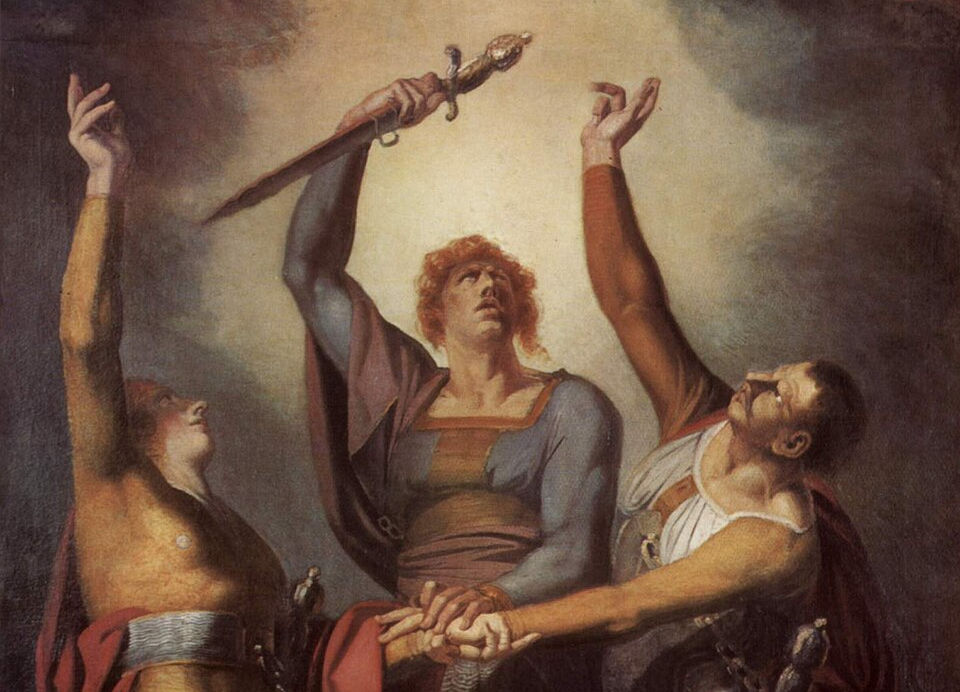
What is a Consul? The head of state of the ancient Roman Republic? The Lord Mayor of medieval city-states? A diplomat? That is all correct. Originally, the office of Consul replaced that of the king. The overthrow of the monarchy and the establishment of the Republic in ancient Rome in 509 BC marked a historic moment. From then on, a single man no longer ruled Rome for life; instead, two elected citizens shared the position of head of state as Consuls, each serving a one-year term. The office did not disappear with the transition to the Empire, either. Both many emperors and imperial favorites continued to become consuls. When many cities in Western Europe gained a significant degree of self-confidence and autonomy during the Middle Ages, they adopted republican constitutional structures modeled on the ancient Roman Republic. The mayors of many cities began styling themselves as consuls. In the Free and Hanseatic City of Lübeck, for instance, depictions from the late 18th century still refer to the mayors as consuls. Reflecting this tradition of shared rule between two citizens, Lübeck retains two mayors to this day. Formally, one of them is technically the Lord Mayor while the other is technically the deputy mayor; however, both bear the same title, symbolizing an equality between the two mayors that honors this old tradition of two consuls. From 1799 to 1804, in keeping with the Roman Republic, the French Republic was headed by three consuls, although the First Consul, a certain Napoléon Bonaparte, was practically the sole ruler.

The Republic of Genoa, which, alongside the Republic of Venice, held a position in the Mediterranean comparable to that of the Free and Hanseatic City of Lübeck in the North and Baltic Sea region, featured a unique arrangement. It was also led by two Consuls. However, in Genoa, other important officials, not just the two mayors, were permitted to hold the title of consul; this also included some Genoese diplomats.
Genoa maintained a particularly close relationship with England and, later, Great Britain. The English even adopted the Genoese flag in exchange for the payment of a tribute. Since the Genoese possessed strong trade ties with the Islamic world, flying the Genoese flag was intended to offer English ships at least some measure of protection against attacks by Muslim pirates. In 1771, the British stopped paying tribute to Genoa for using the Genose Flag as English Flag once and for all. Nonetheless the Flag of England is still identical with the Flag of Genoa. And it was not just the flag that the English adopted from the Genoese; they also adopted the title of "Consul" for a specific category of diplomats. Thus, the title held by the head of state of the ancient Roman Republic, via Genoa and Great Britain, became a title widely used in diplomacy across the globe.